FREE FOOD SAMPLE ON FIRST ORDER £10+ • FREE DELIVERY OVER £25

What Is the Minimum Space Rabbits Need?
How Much Space Do Two Rabbits Need to Live Happily?
RABBIT CARE HUB
Jo
3/17/20265 min read
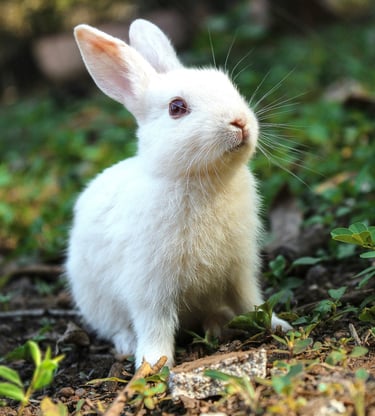
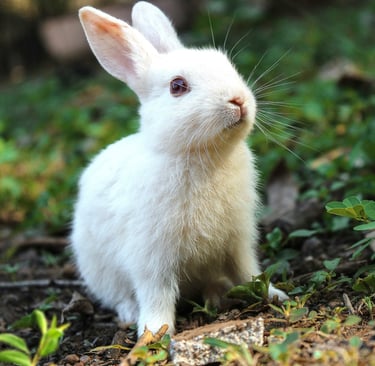
Rabbit Housing Guide: Minimum Space Requirements, Hutch Sizes & Welfare Standards
How Much Space Do Rabbits Need?
The recommended minimum space for two rabbits is a permanently accessible living area measuring 3m x 2m with a minimum height of 1m. This space should be available 24 hours a day and provided as one continuous, connected area.
Providing adequate rabbit housing is essential for welfare, allowing rabbits to exercise, explore, forage, stretch, and interact with their bonded companion. Whether rabbits live indoors or outdoors, sufficient space helps support both physical and mental wellbeing.
Many traditional hutches sold for rabbits are too small to meet modern welfare recommendations. Rabbits need considerably more room than most owners realise, making enclosure size one of the most important factors when setting up a rabbit home.
Rabbit Housing Guide: Minimum Space Requirements, Hutch Sizes & Welfare Standards
If you're setting up a home for rabbits, one of the most important things you can provide is adequate space. Suitable housing allows rabbits to express natural behaviours, supports good physical and mental health, and helps them live healthy, enriched lives. This guide explains recommended rabbit housing standards, why space matters, and how to create a welfare-friendly home for a bonded pair.
Quick Answer: How Much Space Do Two Rabbits Need?
The recommended minimum living space for a bonded pair of rabbits is:
• 3m x 2m of floor space
• Minimum height of 1m
• One single, connected living area
• Available 24 hours a day
This amount of space allows rabbits to stand fully upright, make several consecutive hops, stretch out comfortably, and express a wide range of natural behaviours.
Why Do Rabbits Need More Space Than Most People Think?
Rabbits are active, athletic animals that spend much of their day exploring, foraging, running, stretching, and interacting with their environment. When space is restricted, both their physical and emotional wellbeing can suffer.
Natural Behaviours Rabbits Need to Perform
• Standing upright on their hind legs
• Making several consecutive hops
• Stretching out fully when resting
• Exploring and foraging
• Digging and investigating their environment
• Social interaction with a bonded companion
A living area measuring at least 3m x 2m x 1m helps rabbits perform these behaviours comfortably every day.
What Happens When Rabbits Don't Have Enough Space?
Inadequate housing remains one of the most common welfare concerns for pet rabbits and can contribute to a range of health and behavioural issues.
Physical Health Risks
• Musculoskeletal problems
Long-term restriction of movement may contribute to poor muscle development, reduced fitness, and musculoskeletal issues.
• Obesity
Limited exercise can lead to weight gain and associated health problems.
• Overgrown nails
Reduced movement may result in nails wearing down less naturally.
• Poor hygiene
Smaller living areas can become soiled more quickly, increasing the risk of health issues if not cleaned regularly.
Emotional and Behavioural Problems
• Frustration and aggression
A lack of space may lead to stress-related behaviours, including territorial disputes and aggression.
• Reduced activity levels
Rabbits may become less active and show less interest in interacting with their surroundings.
• Stress-related behaviours
Examples include excessive chewing, bar biting, over-grooming, or prolonged hiding.
Providing adequate space is one of the most effective ways to support both physical and mental wellbeing.
Hutch Size Requirements: The Hutch Is Only Part of the Home
A hutch should be viewed as the sleeping and shelter area, not the rabbit's entire living space.
Recommended Minimum Hutch Size
• 1.8m x 0.6m x 0.6m high
• (6ft x 2ft x 2ft)
The hutch should always be connected to a permanently accessible exercise area that allows rabbits to move freely at all times and meets the recommended 3m x 2m x 1m living space guidance.
Indoor Rabbit Housing
The same space recommendations apply to rabbits kept indoors.
Exercise pens, dedicated rabbit rooms, and rabbit-proofed living areas can all provide suitable accommodation, provided rabbits have continuous access to sufficient floor space, appropriate height, and opportunities for exercise and enrichment.
Indoor rabbits should also have access to hiding places, comfortable resting areas, and plenty of opportunities to explore and forage.
Why Should Rabbits Be Kept in Pairs?
Rabbits are highly social animals that naturally live in groups. Most rabbits thrive when kept in compatible, neutered pairs or groups.
Keeping a rabbit alone may lead to:
• Loneliness
• Stress
• Reduced welfare
• Behavioural problems
A bonded companion provides social interaction, mutual grooming, comfort, and emotional security. Housing should therefore be planned around the needs of at least two rabbits wherever possible.
Flooring Matters Too
Rabbits should spend most of their time on solid, non-slip flooring.
Constant exposure to wire or mesh flooring can contribute to sore hocks, discomfort, and reduced mobility. Providing suitable flooring, soft resting areas, mats, and digging substrates can improve comfort and encourage natural behaviours.
How to Create a Welfare-Friendly Rabbit Setup
A well-designed rabbit home should include:
Essential Components
• A sheltered sleeping area
• A large, secure exercise space
• Constant access between all living areas
• Litter trays
• Unlimited hay
• Fresh drinking water available at all times
Enrichment to Support Natural Behaviour
• Tunnels and hideaways
• Platforms and lookout points
• Safe chew toys and accessories
• Digging boxes
• Foraging opportunities and natural treats - Healthy and natural treats for rabbits | Treats 4 Squeaks
Think of your rabbit's accommodation as a secure, enriched habitat rather than simply a cage or hutch. The more opportunities rabbits have to move, explore, and interact with their environment, the better their overall welfare will be.
Frequently Asked Questions About Rabbit Housing
What is the minimum space required for two rabbits?
The recommended minimum living space for two rabbits is 3m x 2m with a minimum height of 1m. This space should be available at all times and provided as one connected area rather than separate sections.
Is a rabbit hutch enough on its own?
No. A hutch should only be used as a sheltered sleeping and resting area. Rabbits also need constant access to a secure exercise space that allows them to run, hop, stretch, and explore.
Can rabbits live indoors?
Yes. Rabbits can thrive indoors provided they have enough space, enrichment, hiding places, and opportunities to exercise. Indoor rabbit housing should meet the same space recommendations as outdoor housing.
Do rabbits need to be kept in pairs?
Rabbits are highly social animals and generally thrive when kept in compatible, neutered pairs or groups. A bonded companion provides social interaction, comfort, and companionship.
How big should a rabbit hutch be?
A recommended minimum hutch size is 1.8m x 0.6m x 0.6m (6ft x 2ft x 2ft). However, the hutch should always be attached to a larger exercise area that meets overall space recommendations.
Why do rabbits need so much space?
Rabbits are naturally active animals that need room to run, hop, stand upright, forage, and explore. Restricting movement can negatively affect both physical health and emotional wellbeing.
Can rabbits stay in a hutch all day?
No. Rabbits should never be confined to a hutch full-time. They require continuous access to a larger living and exercise area that allows them to express natural behaviours.
What should be inside a rabbit enclosure?
A rabbit enclosure should include unlimited hay, fresh water, litter trays, hiding places, tunnels, chew toys, digging opportunities, and plenty of space for exercise.
What flooring is best for rabbits?
Solid, non-slip flooring is generally best for rabbits. Suitable options include rubber matting, lino covered with rugs, grass, and other comfortable surfaces that support healthy movement and help prevent sore hocks.
Are outdoor rabbits happy?
Outdoor rabbits can live happy, healthy lives when provided with secure, weatherproof housing, plenty of space, enrichment, companionship, and protection from predators and extreme temperatures.
Conclusion
Providing rabbits with enough space is one of the most important aspects of responsible rabbit ownership. A large, permanently accessible living area allows rabbits to exercise naturally, stay physically healthy, and enjoy a richer, more stimulating environment.
Whether rabbits are housed indoors or outdoors, the goal should always be to create a secure, enriched habitat that supports natural behaviours and promotes excellent welfare throughout their lives.
Related Rabbit Care Guides
Looking to learn more about rabbit care? Explore our other helpful guides:
Safe Natural Treats for Rabbits - What Should Rabbits Eat? Complete Rabbit Diet & Nutrition Guide | Treats 4 Squeaks
Customer Links
Delivery prices
Terms & conditions
Privacy policy
Email: info@treats4squeaks.com
Tel: 07353 785 900
Trading standards registration number: GB891/085
Treats4Squeaks: 2024 ©








Reviews & Trust
Accreditations & Listings



Review us on Facebook here
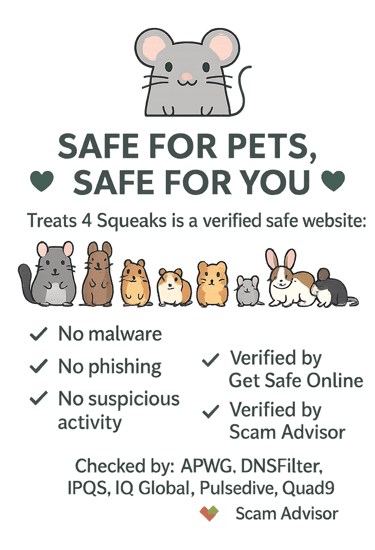

Treats 4 Squeaks | Natural Treats, Forage & Enrichment for Small Animals


®

