FREE FOOD SAMPLE ON FIRST ORDER £10+ • FREE DELIVERY OVER £25

Best Mouse Wheels: Safe Sizes & Recommended Wheels
Learn what size wheel mice need, why 21cm is the minimum recommended size, whether saucer wheels are safe, and how to choose the best exercise wheel for your pet mouse.
MOUSE CARE HUB
Jo
2/24/2025
What Size Wheel Do Mice Need? The Complete Guide to Choosing a Safe Exercise Wheel
Mice are incredibly active animals that can run several miles every night. Providing the correct exercise wheel is essential for their physical health, mental stimulation and overall wellbeing. One of the most common questions mouse owners ask is: What size wheel does a mouse need?
In this guide, I'll explain the ideal wheel size for mice, whether saucer wheels are safe, the pros and cons of plastic and wooden wheels, and how to tell if your mouse's wheel is too small.
What Size Wheel Do Mice Need?
The minimum recommended wheel size for most pet mice is 21cm (8 inches) in diameter.
While smaller wheels are often marketed for mice, they can force your pet to run with an unnatural posture, which may lead to discomfort and potential spinal issues over time.
Why Is 21cm the Minimum Wheel Size for Mice?
A wheel should allow your mouse to run with:
A straight or nearly straight spine
A natural tail position
Comfortable, unrestricted movement
When a wheel is too small, mice must arch their backs significantly to fit inside the running surface. Repeated use of an undersized wheel may place unnecessary strain on the spine and joints.
A 21cm upright wheel provides enough space for most adult mice to run naturally without excessive bending. Some larger mice may even benefit from slightly larger wheels.
Quick Answer
The best wheel size for mice is 21cm or larger. This allows natural running posture and helps prevent spinal curvature caused by smaller wheels.
Are Saucer Wheels Safe for Mice?
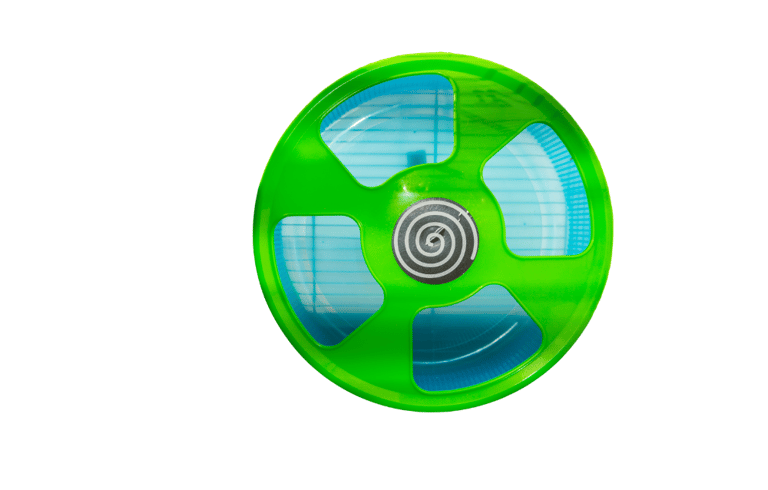
Saucer wheels (also called flying saucers or disc wheels) are popular because they look fun and take up less vertical space. However, they are generally not recommended as a mouse's primary exercise wheel.
Risks of Saucer Wheels
Unlike traditional upright wheels, saucer wheels require mice to run at an angle.
Potential issues include:
Uneven body positioning while running
Increased strain on joints and muscles
Twisting of the spine during extended use
Higher likelihood of being thrown from the wheel when running at speed
Because mice naturally run in a straight line, an upright wheel better replicates their normal movement patterns.
Why Upright Wheels Are Preferred
A quality upright wheel allows:
Straight-line running
Better spinal alignment
More natural exercise
Consistent footing and balance
Many owners choose to offer a saucer wheel as an additional enrichment item, but an appropriately sized upright wheel should remain the primary exercise option.
Plastic vs Wooden Wheels: Which Is Better?
Both plastic and wooden exercise wheels have advantages and disadvantages.
Plastic Wheels
Pros
Easy to clean and disinfect
Do not absorb urine
Long-lasting and durable
Available in many sizes
Often quieter than wooden alternatives
Cons
Can become scratched over time
Lower-quality models may wobble or become noisy
Less natural appearance
Wooden Wheels
Pros
Natural aesthetic
Popular in naturalistic enclosures
Often very sturdy
Cons
Absorb urine and odours
More difficult to clean thoroughly
May require regular sealing or maintenance
Can deteriorate faster if exposed to moisture
Which Wheel Material Is Best?
For most mouse owners, plastic wheels are the most practical choice because they are easier to clean, more hygienic, and resistant to urine damage.
Wooden wheels can work well in display-focused or naturalistic habitats but usually require more maintenance to stay sanitary.
How Do I Know If My Mouse's Wheel Is Too Small?
Choosing the right wheel size isn't just about measurements. Your mouse's body position while running provides important clues.
Signs Your Mouse's Wheel Is Too Small
Curved Spine While Running - If your mouse's back forms a noticeable arch while running, the wheel is likely undersized.
Tail Bending Upwards - A tail that consistently curves upward or presses against the wheel wall can indicate insufficient running space.
Reluctance to Use the Wheel
If your mouse rarely uses the wheel despite being active, the wheel may be uncomfortable or unsuitable.
Awkward Running Posture
Watch for:
Hunched running
Sideways positioning
Frequent stopping and starting
Difficulty maintaining speed
These signs suggest your mouse may benefit from a larger wheel.
Frequently Asked Questions
Can a wheel be too big for a mouse?
Generally, no. As long as the wheel spins smoothly and your mouse can start it comfortably, a larger wheel is usually safer than a wheel that is too small.
Is a 15cm wheel suitable for mice?
No, for most adult mice, a 15cm wheel is too small and may encourage unnatural spinal curvature during exercise.
Is a 21cm wheel large enough for fancy mice?
Yes. A 21cm wheel is widely considered the minimum suitable size for most fancy mice and provides enough room for natural movement.
Should mice have a wheel all the time?
Yes. Mice are highly active animals and benefit from constant access to an exercise wheel as part of their daily enrichment.
Are mesh wheels safe for mice?
No! Mesh or wire wheels can increase the risk of foot and tail injuries.
Recommended Wheels for Mice
When choosing a wheel, look for:
Minimum diameter of 21cm
Solid running surface
Quiet operation
Stable stand or secure mounting
Easy-to-clean materials
Recommended Mouse Wheels
Bucatstate Hamster Wheel Super-Silent 26cm with Adjustable Base Dual-Bearing Exercise Wheel Quiet Spinning Running Wheel for Dwarf Syrian Hamster Gerbils and Other Small Animals(Blue) : Amazon.co.uk: Pet Supplies
Trixie 61011 Running wheel, plastic, ø 28 cm (Assorted) : Amazon.co.uk: Pet Supplies
Niteangel Super Silent Hamster Exercise Wheels - Quiet Spinner Hamster Running Wheels with Adjustable Stand for Hedgehog Gerbils Mice Or Other Small Animals (Large, Transparent) : Amazon.co.uk: Pet Supplies
Savic Rolly Giant + Stand Exercise Wheel Dia 27,5 Cm : Amazon.co.uk: Pet Supplies
Final Thoughts
Providing the correct wheel is one of the most important aspects of mouse care. A 21cm upright wheel allows mice to run comfortably with a natural posture, reducing strain on the spine and encouraging healthy exercise.
While saucer wheels can be used as supplementary enrichment, upright wheels remain the safest and most natural option. Whether you choose plastic or wood, prioritising wheel size, running surface quality, and ease of cleaning will help keep your mouse active and healthy for years to come.
Looking for more ways to keep your mice busy?
Browse our Mouse Treats range for natural forage, chews, treats and enrichment to encourage foraging, chewing and exploring.
Customer Links
Delivery prices
Terms & conditions
Privacy policy
Email: info@treats4squeaks.com
Tel: 07353 785 900
Trading standards registration number: GB891/085
Treats4Squeaks: 2024 ©








Reviews & Trust
Accreditations & Listings



Review us on Facebook here


Treats 4 Squeaks | Natural Treats, Forage & Enrichment for Small Animals


®

