FREE FOOD SAMPLE ON FIRST ORDER £10+ • FREE DELIVERY OVER £25

What Are The Best Cages For Mice?
How to Choose a Spacious and Enriching Home for Pet Mice
MOUSE CARE HUB
Jo
2/25/2025
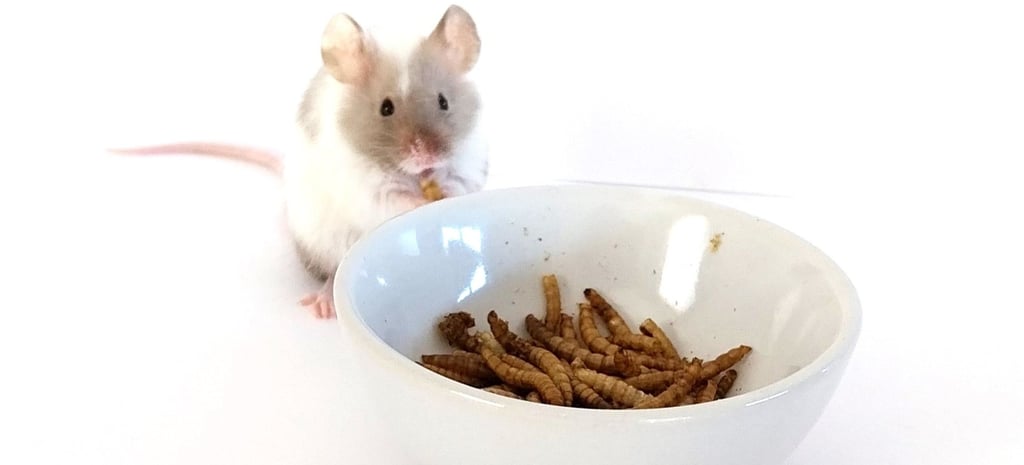
How Big Should a Mouse Cage Be? A Guide to Choosing the Best Mouse Enclosure
How Big Should a Mouse Cage Be?
Despite their small size, mice need plenty of room to run, climb, burrow, forage and explore. Providing a spacious enclosure is one of the most important aspects of mouse care.
For a group of 3–4 female mice or a single male mouse, I recommend a minimum of 620 square inches (approximately 4,000 cm²) of unbroken floor space. Larger is always better, especially for female groups who benefit from additional enrichment opportunities.
Glass tanks with secure mesh lids are among the most popular and practical enclosures for mice. They allow for deep bedding, help contain substrate and eliminate the risk of escape through bars.
If you choose a wire enclosure, pay close attention to bar spacing. Young mice and babies can squeeze through surprisingly small gaps, so spacing should be no larger than 0.5 cm (5 mm).
Why Deep Bedding Is Essential
Mice are natural burrowers and spend much of their time creating tunnels and nests.
A suitable enclosure should allow for:
At least 8–10 inches (20–25 cm) of bedding
Multiple nesting areas
Opportunities for digging and foraging
Suitable substrates include:
Aspen bedding
Chipsi Classic
Orchard grass hay
Many mice enjoy having a variety of textures available throughout their enclosure. In addition to their main bedding, I like to provide digging areas filled with coco fibre soil, beech chips, or coconut husk. These different textures encourage natural digging and exploration behaviours. Additional textures in dig boxes can include:
Beech chips
Coco fibre soil
Coconut husk
Creating an Enriching Mouse Habitat
A good mouse enclosure should be filled with enrichment opportunities.
I recommend providing at least five hideouts throughout the enclosure. Multiple hiding places help mice feel secure and allow lower-ranking mice to avoid conflict if needed.
Examples of enrichment include:
Tunnels
Cork logs
Safe branches
Cardboard boxes
Toilet roll tubes
Bridges
Hammocks
Ropes
Dig boxes
Mice thrive in cluttered environments. Unlike many pet species, empty spaces can make them feel exposed and vulnerable.
The more safe clutter you can provide, the better.
Choosing the Right Wheel
Every mouse enclosure should contain a solid exercise wheel.
A wheel should be:
At least 21 cm (8 inches) in diameter
Solid-surfaced
Large enough to allow a straight spine while running
Wheels that are too small can cause the mouse to arch their back unnaturally, potentially leading to discomfort over time.
For more information, see our guide on Best Mouse Wheels. Best Mouse Wheels: Safe Sizes & Recommended Wheels | Treats 4 Squeaks
My Own Mouse Enclosures
My own mice currently live in two different enclosures.
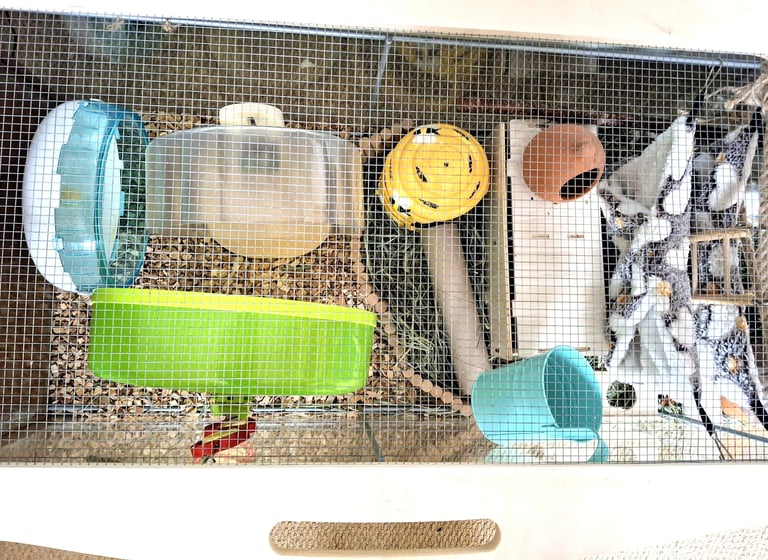
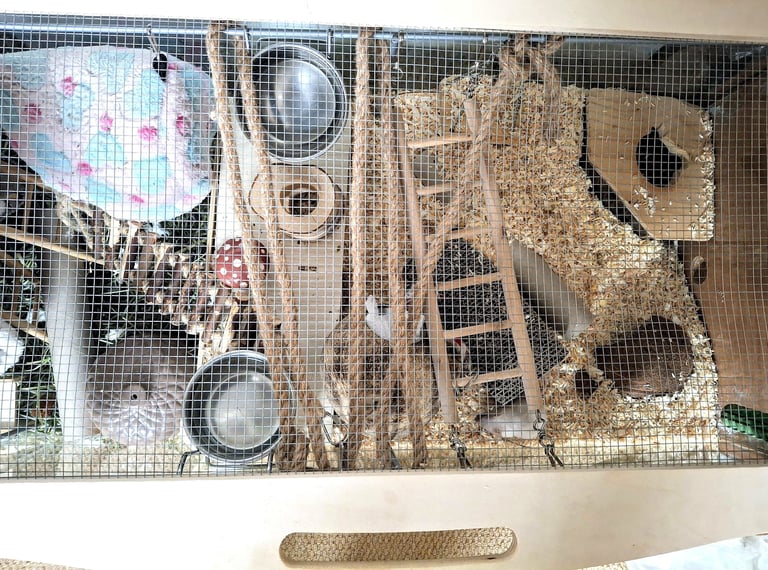
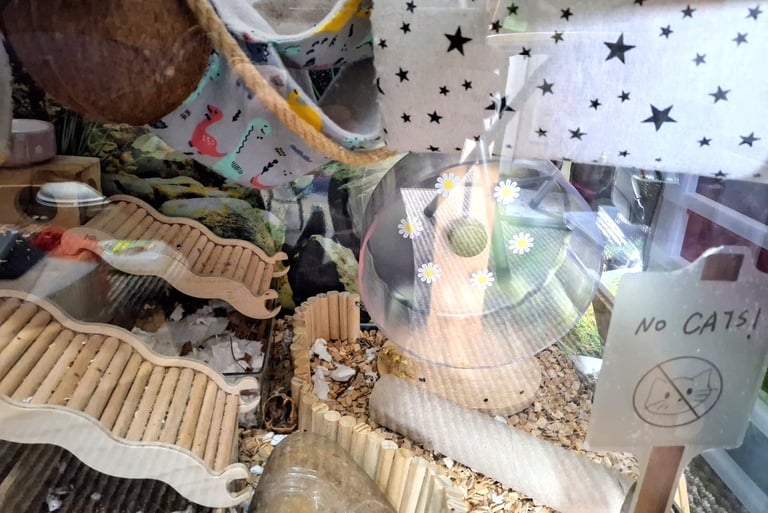
One group of girls is housed in an IKEA Detolf conversion with a topper to provide additional height for hammocks and ropes while the lower part is filled with deep bedding, hides and substrates. Although IKEA no longer sells the Detolf, they can often be found second-hand through marketplace websites. When converted into a horizontal enclosure with a suitable lid, the Detolf provides a large amount of floor space and excellent opportunities for deep bedding.
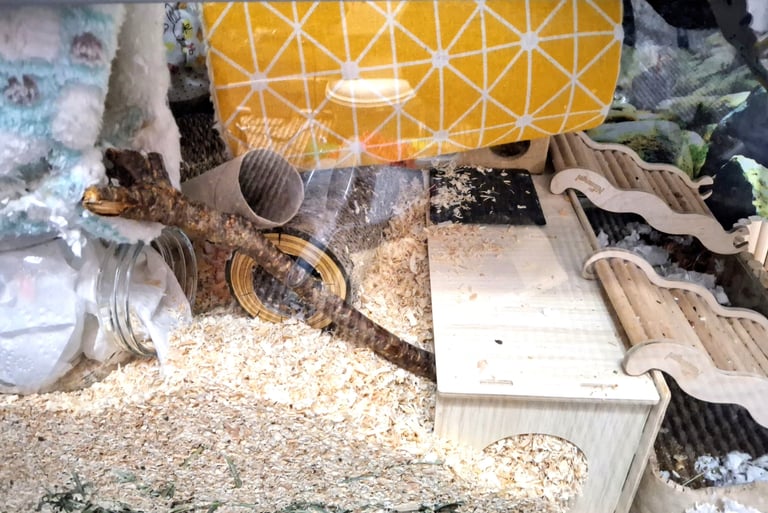
My second group of female mice currently lives in a 100 cm × 50 cm × 50 cm glass enclosure, which provides ample room for enrichment, burrowing, and climbing opportunities.
These setups have worked extremely well for my mice and enable me to provide deep bedding and plenty of enrichment.
Recommended Mouse Enclosures
When selecting a commercial enclosure, always prioritise floor space over marketing claims.
Habitat 3
95.3 cm × 53 cm × 41 cm
Suitable for two adult mice
Not suitable for young mice due to bar spacing
Please note: Despite how it is marketed, I would not recommend this enclosure for any species of hamster.
Bucatstate 2.0
100 cm × 50 cm × 52.5 cm
Large floor area
Suitable for deep bedding
Bucatstate 3.0
120 cm × 60 cm × 62 cm
Excellent floor space
Allows extensive enrichment opportunities
Savic Plaza 100
100 cm × 50 cm × 50 cm
Suitable for adult mice
Not suitable for young mice due to bar spacing
Savic Plaza 120
118 cm × 64 cm × 52 cm
One of the larger commercially available options
Suitable for larger groups
Glass tanks with mesh lids found on market places.
Enrichment Ideas for Pet Mice
Mice are intelligent and inquisitive animals that benefit from regular enrichment.
Simple ideas include:
Folding treats inside toilet rolls
Scatter feeding
Forage mixes
Dig boxes
Cardboard mazes
Hanging chew toys
Hidden food puzzles
One of my mice's favourite enrichment activities is having treats hidden inside toilet rolls with both ends folded inward. This simple activity encourages natural foraging behaviours and keeps them occupied for long periods. Rotating enrichment regularly can help keep mice mentally stimulated and prevent boredom. They also love my Puzzle Pod.
Looking for enrichment for your mice?
Browse our Mouse Treats range for natural forage, chews and treats or try our Puzzle Pod for an interactive foraging activity.
Looking for Enclosure Inspiration?
If you're looking for ideas for your own setup, I highly recommend watching Emiology's mouse enclosure videos on YouTube. She showcases a variety of enriching setups and provides excellent examples of how to create stimulating environments for pet mice.
Frequently Asked Questions
What Is the Best Cage for Mice?
The best mouse enclosure is one that provides plenty of uninterrupted floor space, allows for deep bedding, and offers room for enrichment. Glass tanks and large hybrid enclosures are often preferred because they support natural burrowing behaviour.
How Much Space Do Pet Mice Need?
A minimum of 620 square inches of floor space is recommended for 3–4 female mice or a single male mouse. Larger enclosures allow for more enrichment and generally improve welfare.
Are Glass Tanks Better Than Wire Cages?
Many mouse keepers prefer glass tanks because they allow for deep bedding, reduce the risk of escape, and contain substrate more effectively. However, adequate ventilation must always be provided through a secure mesh lid due to ammonia build up from their urine.
How Deep Should Mouse Bedding Be?
Mice should have at least 8–10 inches of bedding so they can create tunnels and burrows. Deeper bedding is often appreciated and encourages natural behaviours.
Do Mice Need a Wheel?
Yes. A solid exercise wheel is an important source of physical activity and enrichment. Wheels should be large enough to allow the mouse to run with a straight spine. For most mice, 21 cm is considered the minimum wheel size. Check out my guide - Best Mouse Wheels: Safe Sizes & Recommended Wheels | Treats 4 Squeaks
What Do Mice Like in Their Cage?
Mice enjoy cluttered environments filled with tunnels, hideouts, climbing opportunities, deep bedding, foraging activities, dig boxes and chew toys. A varied environment helps prevent boredom and encourages natural behaviours.
Final Thoughts
A suitable mouse enclosure should provide more than just the minimum amount of space. Deep bedding, plenty of enrichment, multiple hiding places and opportunities for exercise all contribute to a happier and healthier life for pet mice.
When in doubt, choose the largest enclosure you can reasonably accommodate and fill it with safe, enriching items that allow your mice to express their natural behaviours.
Customer Links
Delivery prices
Terms & conditions
Privacy policy
Email: info@treats4squeaks.com
Tel: 07353 785 900
Trading standards registration number: GB891/085
Treats4Squeaks: 2024 ©








Reviews & Trust
Accreditations & Listings



Review us on Facebook here


Treats 4 Squeaks | Natural Treats, Forage & Enrichment for Small Animals


®

